Barrier First: How to Layer Hydration the Korean Way
Areum Aesthetics Team
Korean-trained beauty therapy · Brisbane ·
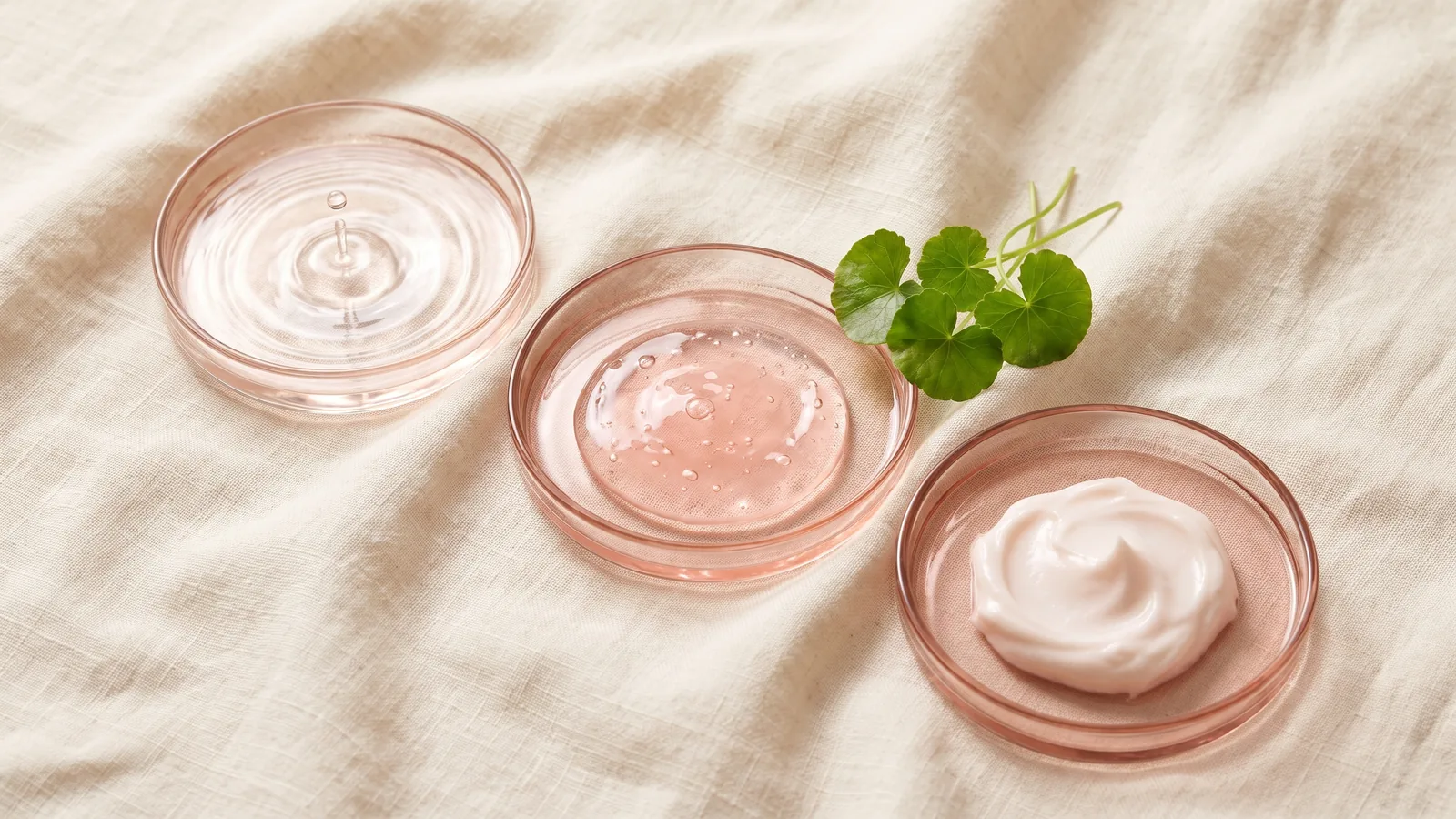
Skin Barrier First: How Korean Layering Supports Dry, Sensitive Skin
If your usual serum suddenly stings, your skin feels tight soon after moisturising, or products that once worked well now cause discomfort, your skin barrier may be under stress.
However, sensitivity is not always caused by the barrier alone. A particular ingredient, excessive exfoliation, environmental conditions or an underlying skin condition may also be responsible. The safest approach is to simplify your routine, reduce potential irritants and give your skin time to recover.
Korean skincare is well known for layering hydration. When used correctly, this technique can improve comfort and support the skin barrier—but hydration is only one part of effective barrier care.
What your skin barrier actually is
The outermost layer of the skin is often compared to a brick wall.
Skin cells act as the “bricks”, while a lipid matrix containing ceramides, cholesterol and fatty acids forms the “mortar” that holds them together.
When this structure is functioning well, it helps:
- retain water within the skin;
- reduce excessive moisture loss;
- protect the skin from environmental irritants;
- maintain softness, flexibility and comfort.
The barrier can become compromised by over-cleansing, frequent exfoliation, strong active ingredients, harsh weather, low humidity, heating, air-conditioning or simply using too many products at once.
Common signs may include:
- tightness;
- dryness or flaking;
- increased redness;
- rough or dull-looking skin;
- unusual sensitivity;
- stinging when applying products that would normally feel comfortable.
The encouraging part is that, for many people, the skin barrier can gradually recover once sources of irritation are reduced and the routine becomes gentler and more consistent.
Layering hydration, the Korean way
The basic principle is to apply products from the thinnest texture to the richest.
Watery products provide hydration, while serums and moisturisers help support the skin and reduce water loss. Layering does not require a complicated ten-step routine. A few well-chosen products are usually enough.
1. Cleanse gently
Use lukewarm water and a mild, low-foaming cleanser. Avoid aggressive scrubbing, cleansing brushes and very hot water while the skin is irritated.
Morning cleansing may not always require a cleanser, particularly for dry or sensitive skin. A gentle water rinse may be sufficient if the skin does not feel oily or congested.
2. Apply a hydrating toner or essence
Apply a gentle toner or essence to slightly damp skin.
Look for hydrating and calming ingredients such as:
- glycerin;
- hyaluronic acid;
- panthenol;
- beta-glucan;
- centella asiatica;
- ectoin.
One layer may be sufficient. Two or three light layers—a gentler version of the well-known Korean “seven-skin method”—can be helpful when the skin feels particularly dry.
However, more layers do not automatically produce better results. The aim is to leave the skin comfortably hydrated, not wet, sticky or overloaded.
Avoid strongly fragranced, exfoliating or alcohol-heavy toners while the skin is reactive.
3. Add a calming serum
Choose a simple serum designed for hydration, soothing or barrier support.
Suitable ingredients may include:
- panthenol;
- centella asiatica;
- beta-glucan;
- peptides;
- ceramides;
- a moderate concentration of niacinamide.
A calming serum can be used in both the morning and evening if your skin tolerates it well.
Temporarily reduce strong exfoliating acids, high-strength retinoids and other potentially irritating actives until the skin feels comfortable again. This does not mean abandoning active skincare permanently—it simply gives the barrier an opportunity to recover.
4. Seal with moisturiser
Moisturiser is an essential part of a barrier-supportive routine.
Humectants attract water, while emollient and occlusive ingredients help smooth the skin and reduce moisture loss.
Look for ingredients such as:
- ceramides;
- cholesterol;
- fatty acids;
- squalane;
- glycerin;
- shea butter;
- dimethicone.
Choose the texture according to your skin. Oily or breakout-prone skin may prefer a lightweight lotion or gel-cream, while dry skin may benefit from a richer cream.
The best moisturiser is not necessarily the thickest one. It is the formula that leaves your skin comfortable and can be used consistently without causing congestion or irritation.
5. Use additional occlusion only when needed
Very dry skin may benefit from a thin layer of balm or another occlusive product over moisturiser at night.
This lighter approach to “slugging” can help reduce water loss, particularly during dry weather, winter or prolonged exposure to heating and air-conditioning.
Heavy occlusive layering will not suit everyone. Use it cautiously—or skip it entirely—if your skin is prone to congestion, acne or heat-related irritation.
Ingredient combinations that work well
| Pairing | Why it works |
|---|---|
| Hyaluronic acid + ceramides | Hyaluronic acid supports hydration, while ceramides help reinforce the skin’s lipid barrier |
| Centella asiatica + niacinamide | May help soothe the skin and support barrier function; sensitive skin may tolerate lower niacinamide concentrations better |
| Panthenol + beta-glucan | Often used to improve hydration and comfort in dry or reactive skin |
| Glycerin + moisturiser | Glycerin is a reliable humectant that works well in many formulas and across different skin types |
The complete formulation matters more than choosing a product because it contains one fashionable ingredient. Concentration, supporting ingredients, fragrance and the overall condition of your skin all influence how a formula performs.
Should products be applied to damp skin?
Applying hydrating products to slightly damp skin can improve their spreadability and provide humectants with additional water to work with.
After cleansing, gently pat away excess water and apply your toner, essence or serum while the skin is still slightly damp. Follow with moisturiser before the hydrating layers have completely dried.
However, damp skin is not the whole trick. The complete formulation, the condition of the barrier and the moisturiser applied afterwards are equally important.
Leaving the skin wet for a prolonged period without applying moisturiser may increase evaporation rather than improve hydration.
Myth-buster: “If it stings, it’s working”
Stinging is not a reliable sign of effectiveness.
A brief, expected tingling sensation may occur with certain active or professional products. However, repeated burning or stinging from a basic toner, serum or moisturiser can indicate irritation, sensitivity, an unsuitable ingredient or a compromised barrier.
Stop using the suspected product if the discomfort is significant or persistent. Do not try to “push through” burning in the belief that the product is working harder.
Rebuild the barrier before rebuilding the routine
Once the skin feels calm and comfortable, active ingredients can be reintroduced gradually—one product at a time.
Allow several days between new additions so that you can identify how your skin responds. Patch-test unfamiliar products and avoid restarting several strong actives simultaneously.
Barrier recovery does not happen overnight. Consistent, gentle care over several weeks is usually more helpful than repeatedly changing products or adding more treatments.
A comfortable, well-supported barrier also creates a better foundation for the rest of your routine. Brightening ingredients, retinoids, exfoliants and professional treatments are more likely to be tolerated when the skin is not already irritated.
Seek professional advice if redness, itching, burning, swelling or discomfort persists, as conditions such as dermatitis, rosacea or an allergic reaction may require more than a skincare adjustment.
A simple barrier-supportive routine
Morning:
Gentle cleanse or water rinse → hydrating toner or essence → calming serum → moisturiser → SPF 50+
Evening:
Gentle cleanser → hydrating toner or essence → calming serum → moisturiser
Healthy skin does not need the greatest number of products. It needs a routine that supports hydration, reduces unnecessary irritation and respects the skin barrier.
At Areum K-Beauty Clinic, we can help you create a personalised barrier-supportive routine based on your skin condition, sensitivity and treatment goals—one considered layer at a time.
Copy the article link, then add it to your Instagram story or message. Nothing is posted automatically.
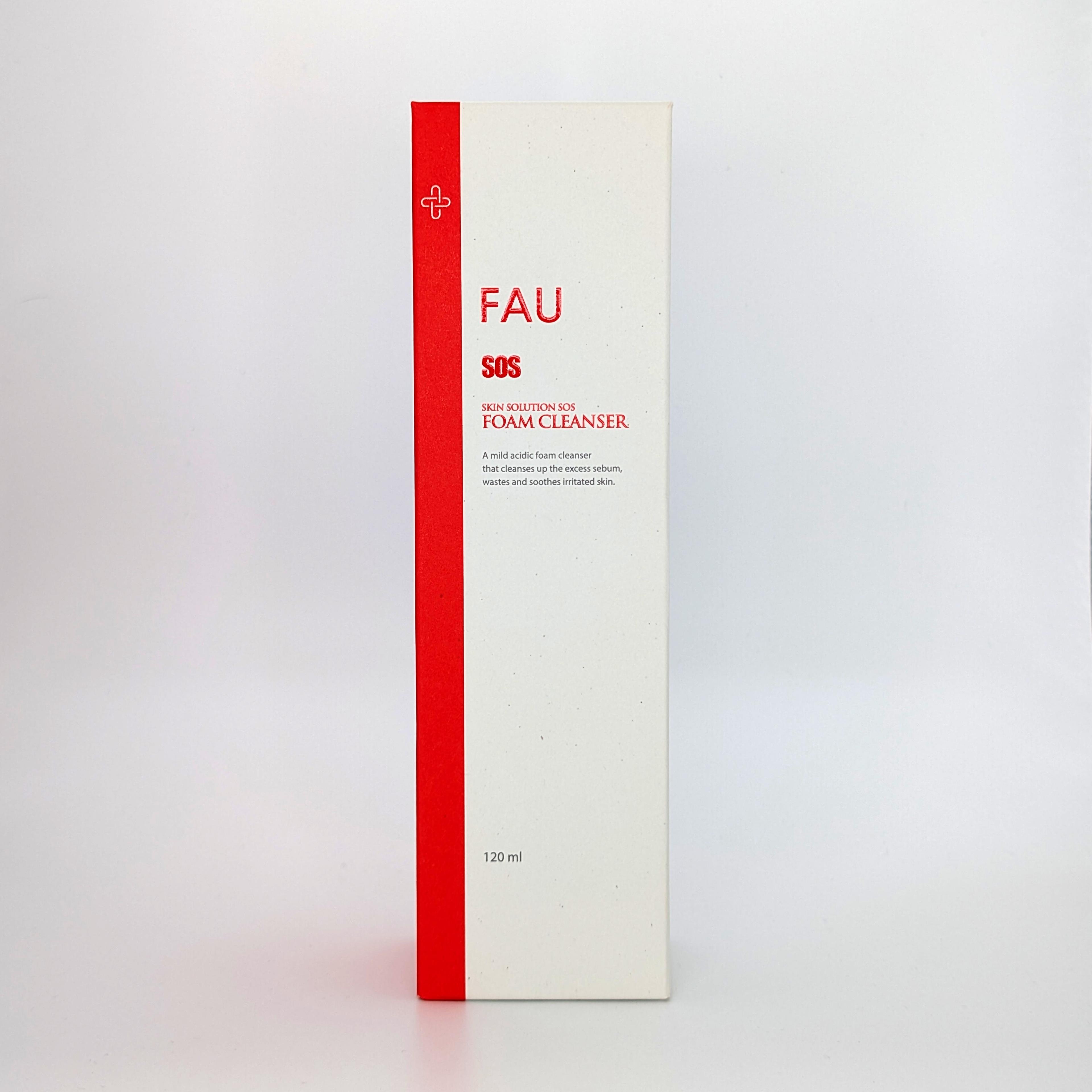
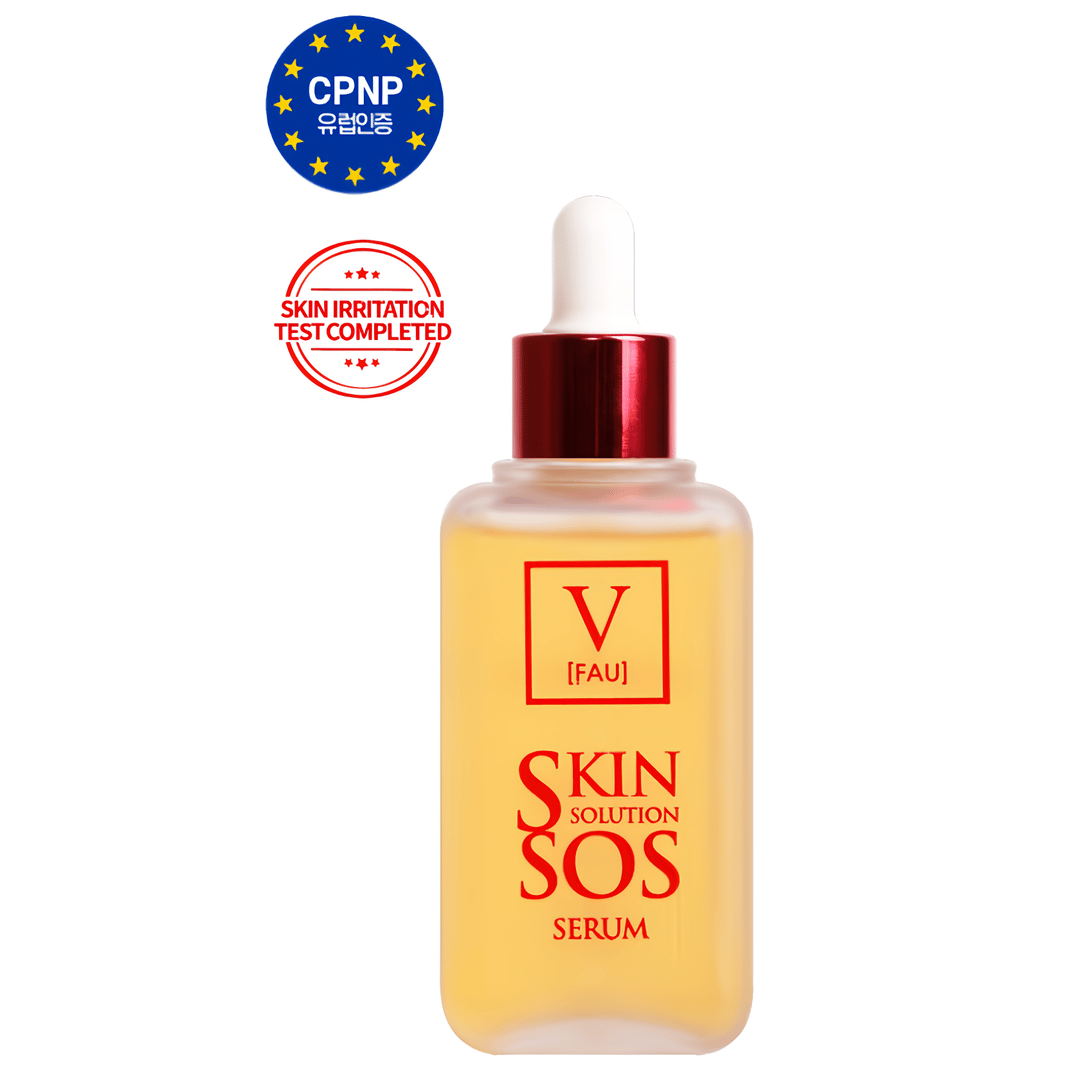
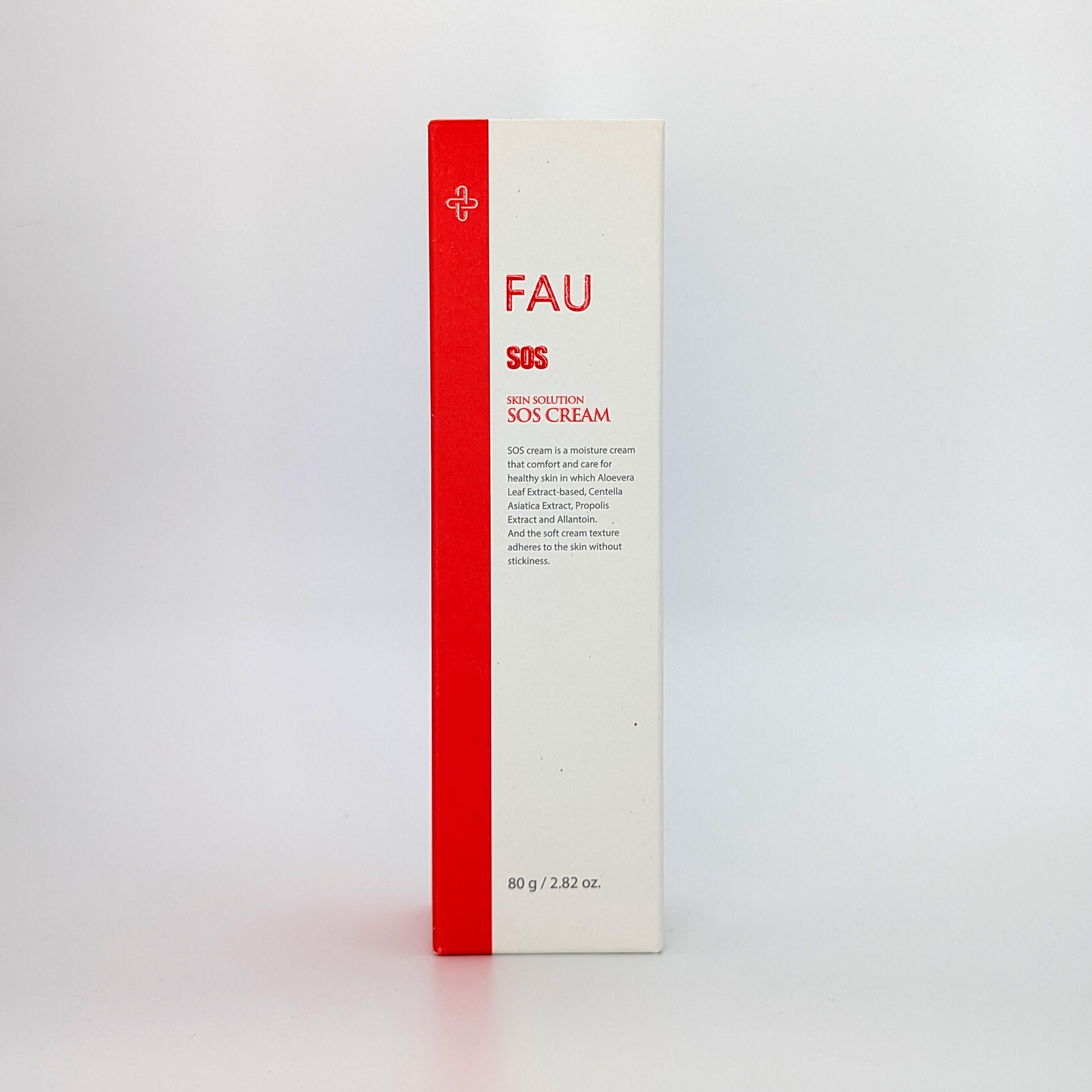
Shop this article
About the author
Areum Aesthetics Team
Korean-trained beauty therapy · Brisbane
Areum's articles are written by our Brisbane-based beauty therapist — a French Beauty Academy graduate with a beauty therapy diploma, and specialist training in Korean facial treatments at Mikwang Beauty Academy in Seoul.
More from the Areum Journal →