Enzyme, Acid or Spicule? Choosing Your Exfoliation
Areum Aesthetics Team
Korean-trained beauty therapy · Brisbane ·

Choosing the Right Exfoliation: Enzymes, Acids and Spicules
Every treatment menu accumulates exfoliation options the way a top drawer accumulates spatulas. An enzyme powder from one training course, a lactic peel from another, a spicule treatment added because clients kept asking — and often no unifying logic for which skin gets which.
The mechanism you reach for influences treatment intensity, potential downtime and risk. Choosing well starts with understanding the formulation, the protocol and the skin in front of you.
Three mechanisms, three different conversations with the skin
Enzymatic exfoliation uses proteolytic enzymes, such as papain, to help break down proteins involved in holding surface skin cells together.
It is commonly used for surface exfoliation, with activity influenced by formulation, pH, temperature and contact time. An enzyme product may be suitable for maintenance or an introductory treatment, but the category alone does not establish how mild a finished formula will be.
Sensitive skin still needs individual assessment. Where the barrier is compromised, postponing exfoliation may be the most appropriate choice.
Chemical exfoliation uses acids and other exfoliating ingredients to help loosen cohesion between surface skin cells. Its intensity depends on the acid, concentration, pH, formulation, application method and contact time.
AHAs such as lactic acid are commonly selected for surface roughness and dullness. Salicylic acid is often used in products for oily and congestion-prone skin, while PHAs appear in formulations positioned for more gradual exfoliation.
These are useful starting points, rather than a fixed ranking of strength. The complete formula and its instructions matter more than the ingredient category alone.
Spicule exfoliation uses fine, needle-like particles that produce a mechanical interaction with the skin. Professional systems combine these particles with a topical formulation and a defined application technique.
Spicule treatments differ from device-based microneedling and should not be treated as interchangeable procedures. Their effects and tolerability depend on the specific product and protocol; evidence about one spicule system should not be assumed to apply to another.
Prickling, tenderness, redness and subsequent flaking may occur. The expected response and aftercare should be explained before treatment.
Choosing by the skin in front of you
Sensitivity comes first. Assess current irritation, recent treatments and home-care use before choosing an exfoliant. An enzyme or mild chemical formula may be considered where appropriate, but neither is automatically suitable for reactive skin.
Oil and congestion help guide formulation choice. Chemical exfoliation may fit these concerns, particularly where the formula is intended for oily skin. There is no automatic need to progress to a stronger peel or a spicule treatment.
Dullness and uneven-looking tone call for consistency. The aim is to improve the appearance and feel of the skin without repeated irritation. Treatment frequency, home care and photoprotection all belong in that decision.
Downtime tolerance matters. A client preparing for a wedding or an important event may need a familiar, well-tolerated treatment — or no exfoliation. An unfamiliar peel should not become a last-minute experiment.
Where the professional ranges sit
Corthe places exfoliation within a structured professional sequence. Super Enzyme Powder appears in the deep-cleansing stage, while Clearing Beta Peel from Dermo Pure and Lightening Oxy Peel from Dermo Bright provide separate options at the soft-peeling stage.
Their positioning helps guide the choice between care for oily, congestion-prone skin and care focused on brighter, more even-looking tone. Selection and application should follow the relevant Corthe protocol, including its preparation and finishing steps.
Dermathod offers both acid-based and spicule-based options. Derma Priming Peel Booster uses PHA and LHA in individually packaged pads, providing a convenient exfoliation step within selected protocols. Its suitability still depends on skin condition and the treatments used alongside it.
O2 Tox Peel introduces a spicule-based approach. Its mechanical component makes application technique, client preparation and aftercare particularly relevant. Use the instructions for the supplied formulation to establish the expected sensation and response.
FAU De Signature Bakuchiol Peel combines bakuchiol with exfoliating ingredients in a rinse-off gel format. Bakuchiol is not a retinoid, and its presence should not be taken to mean the peel will perform like a leave-on retinol product.
Within a professional menu, it provides another option to assess for dullness and surface roughness. Selection should take account of the client's skin condition, existing routine and treatment goals, with exposure time, removal and subsequent care guided by the current FAU protocol.
FAU Shiny Pumpkin Peel combines enzyme and acid exfoliation within a professional treatment. Its mixed mechanism is a reason to follow the complete protocol carefully, rather than assess it as an enzyme product alone.
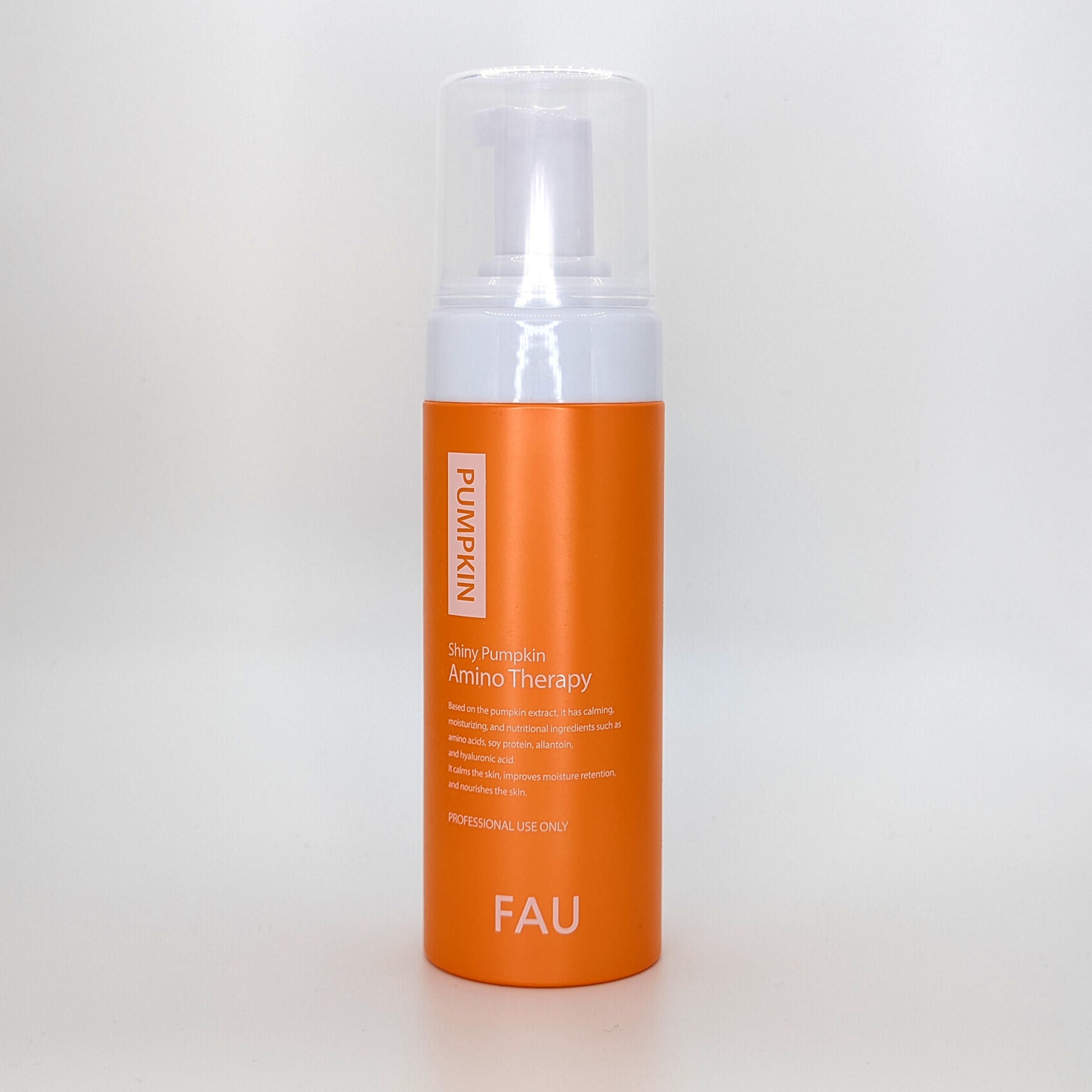
In the FAU professional protocol, Shiny Pumpkin Amino Therapy follows as the specified neutralising step before treatment continues. This sequence belongs to the professional peel and should not be confused with the separate Shiny Pumpkin Peel Care Cream intended for home care.
Conservative first, always
Start with an appropriate product and a conservative application within the manufacturer's instructions. Exposure time, quantity, number of layers and application technique should follow that protocol, with adjustment only where it allows.
Take a proper history and patch test where indicated. Active infection or cold sores, a compromised barrier, recent needling, laser or waxing, and prescription retinoid or strong exfoliant use may require treatment to be postponed or modified. A patch test does not replace this assessment.
Photoprotection should form part of every exfoliation plan. AHAs can increase sun sensitivity, so aftercare should include appropriate sunscreen use alongside shade, protective clothing and consideration of likely UV exposure.
Under Australian conditions, the client's outdoor routine and ability to follow aftercare matter throughout the year.
Avoid combining exfoliants simply to make a treatment feel more intensive. Use a planned exfoliation step or manufacturer-designed sequence, and consider the total exposure from every product involved. A cleanser, peel and finishing product may each contribute exfoliating ingredients.
The take-home bridge
Home care should support the treatment plan, with clear instructions on what to use, what to pause and when exfoliation can resume.
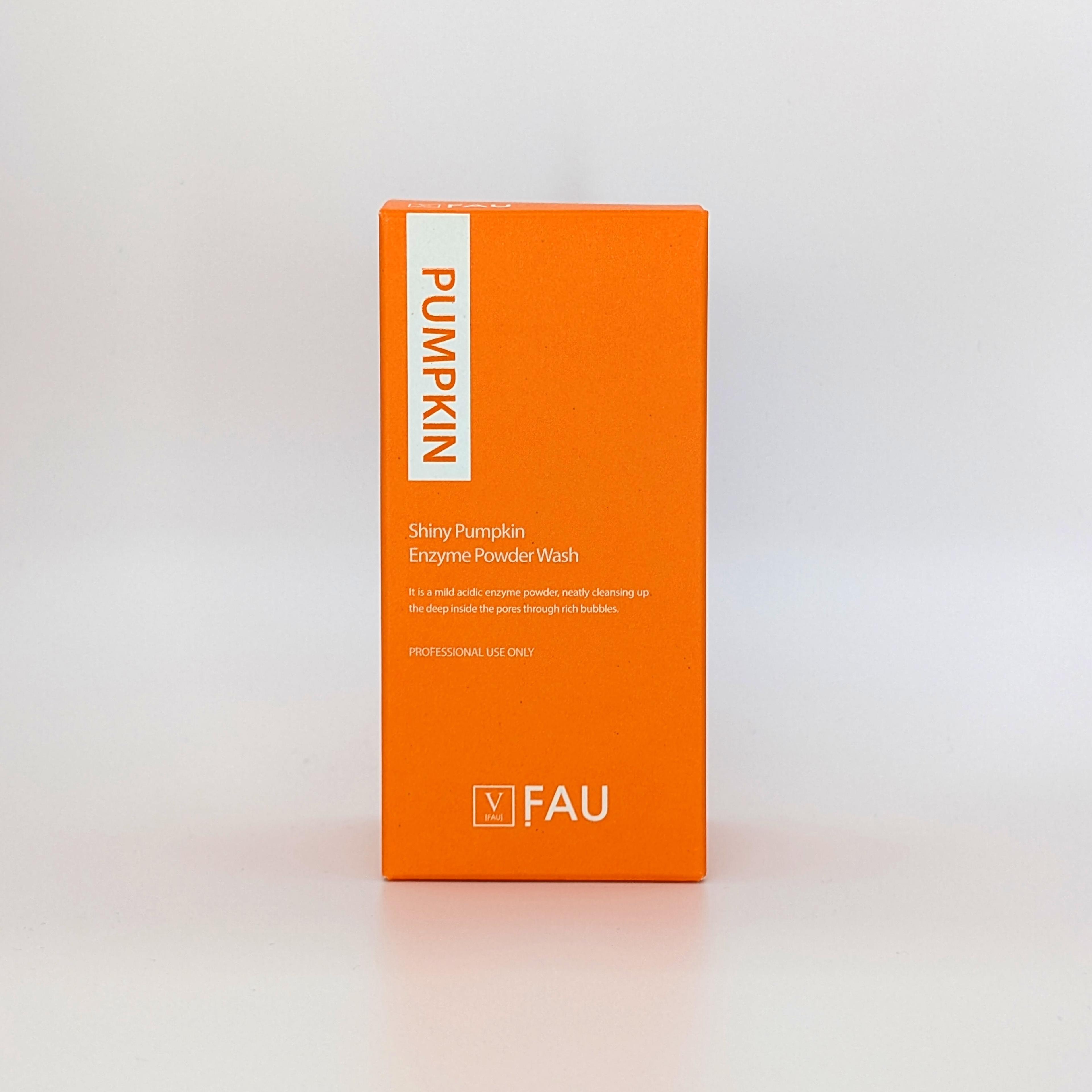
FAU Shiny Pumpkin Enzyme Powder Wash offers an enzyme-based cleansing option for clients whose skin tolerates it. Its place in the routine should reflect the recent professional treatment and any other exfoliants already in use.
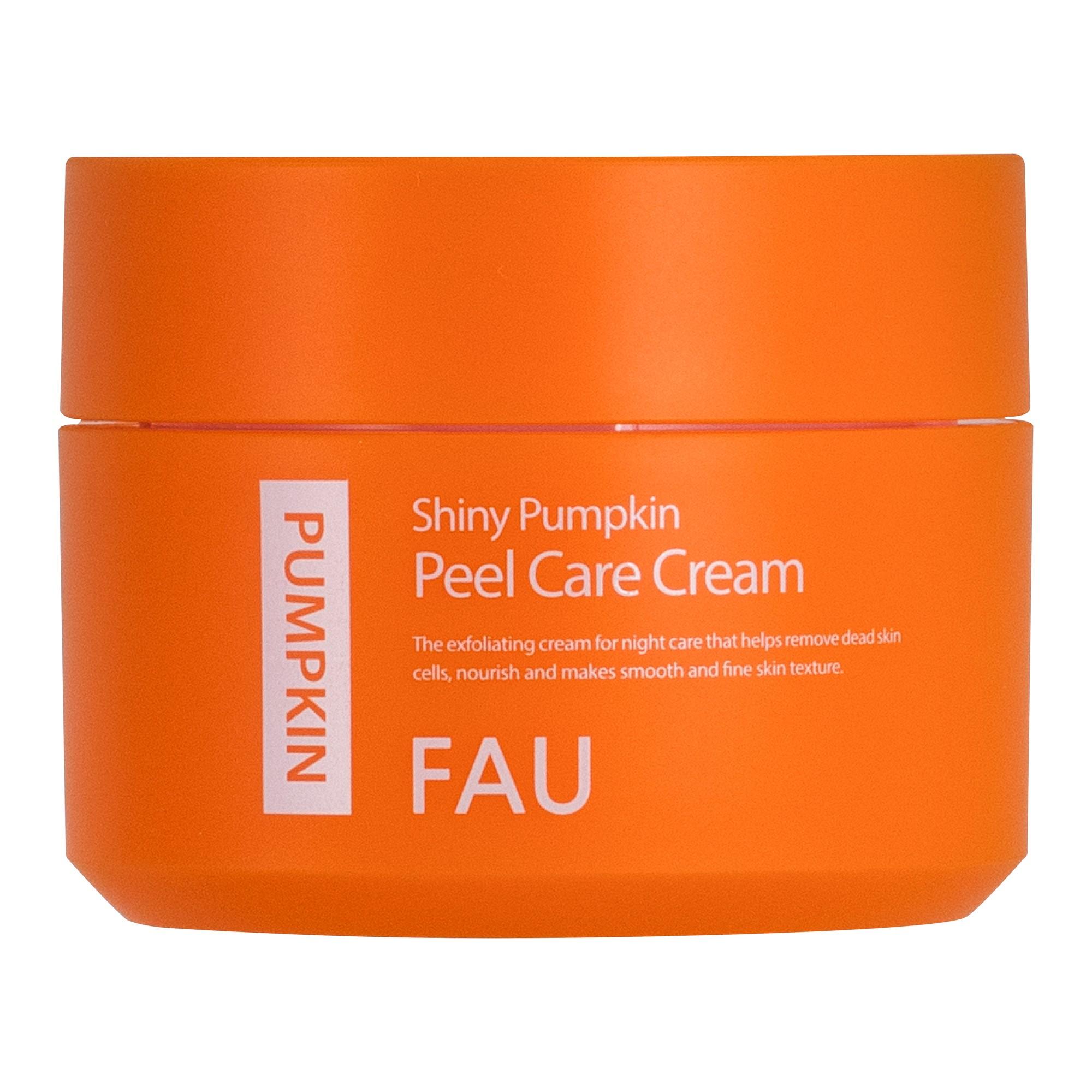
Shiny Pumpkin Peel Care Cream is the separate home-care exfoliating product. Use it according to the current FAU directions and the client's treatment plan, rather than adding it automatically after a salon peel. An exfoliating cleanser and an exfoliating cream both contribute to the overall routine.
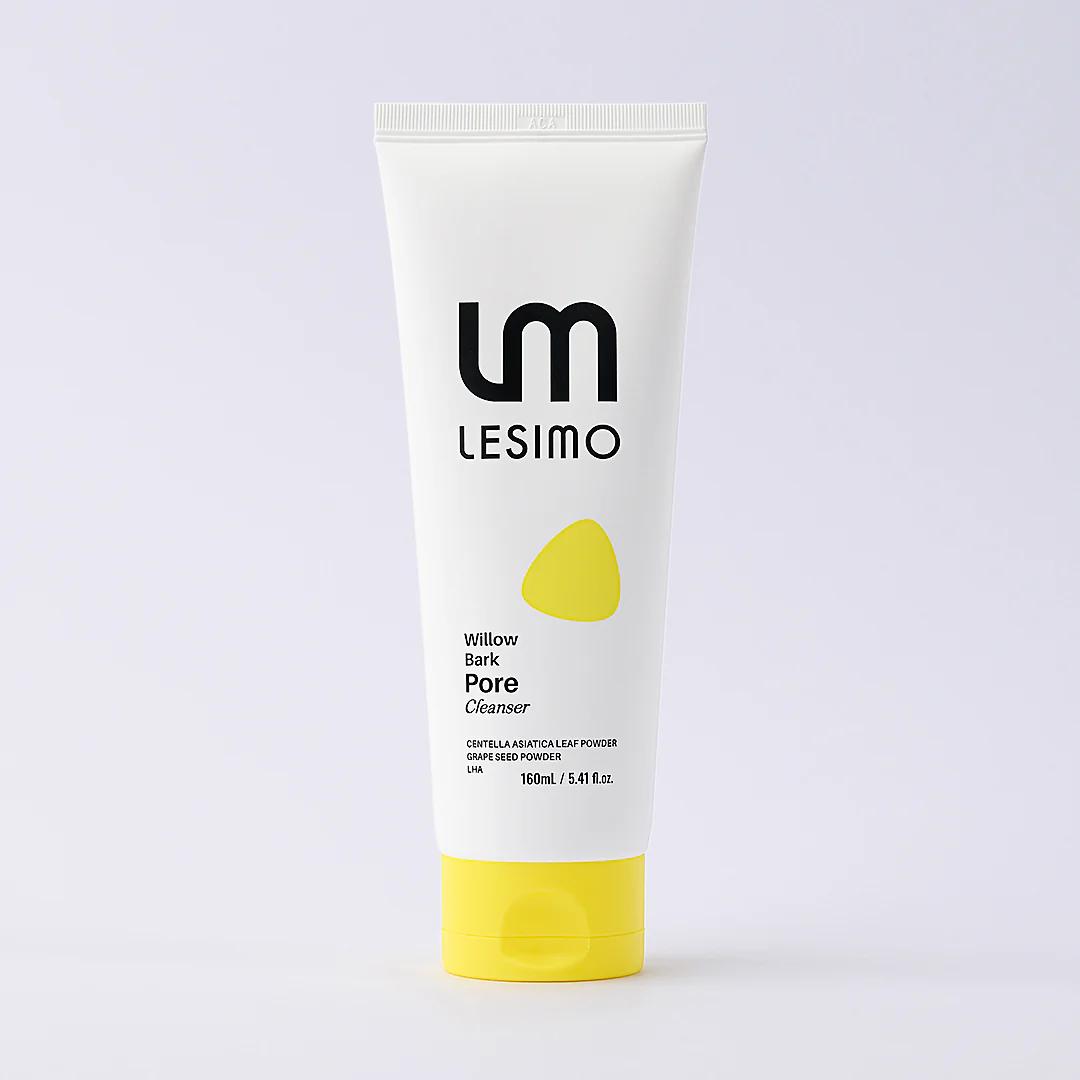
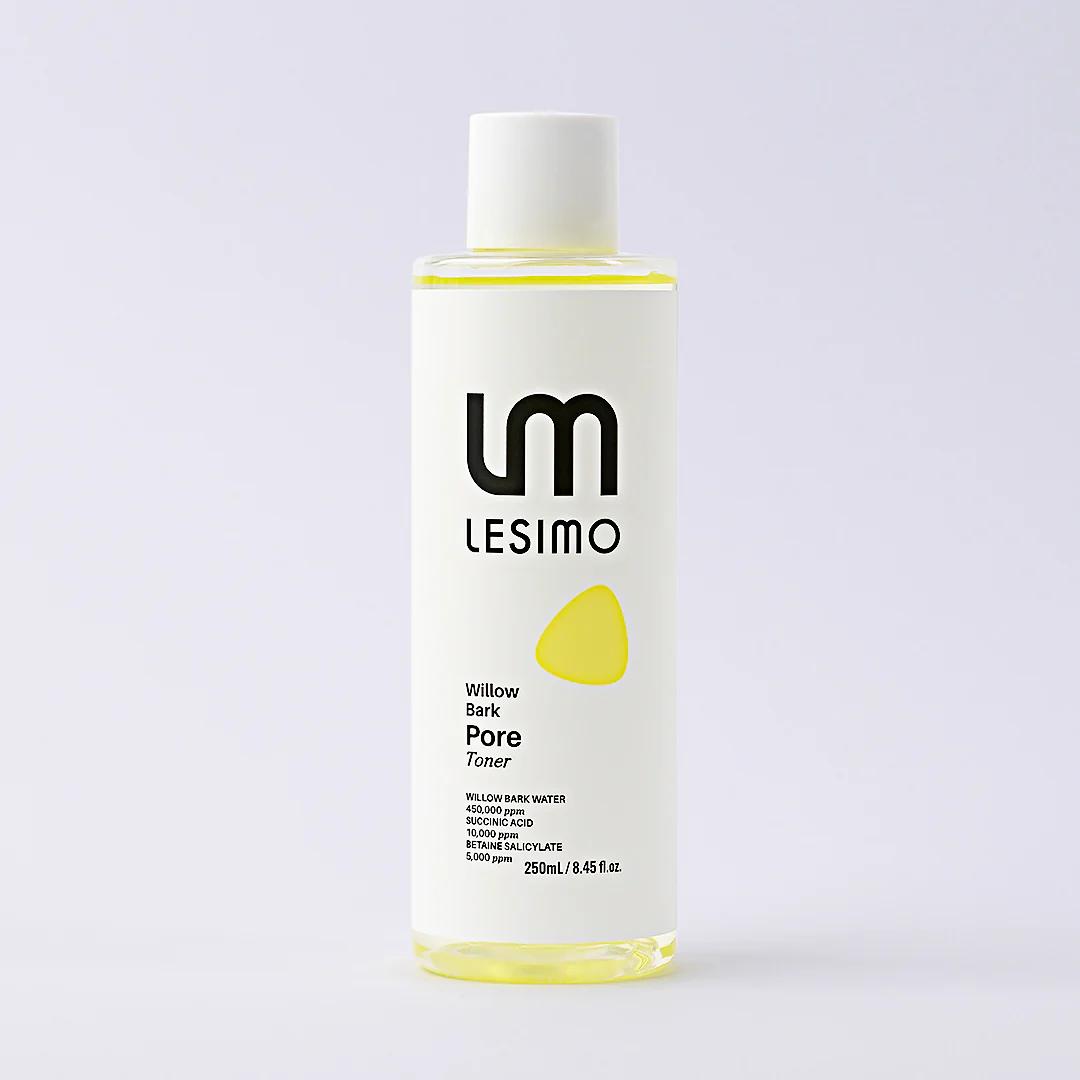
Lesimo's Willow Bark line offers cleansing and toner options for oily and congestion-prone skin. The Pore Cleanser and Pore Toner can be considered within a maintenance routine, with each chosen for its complete formulation, its place alongside other products and the client's tolerance.
The professional treatment and the home routine should make sense together. Clients need manageable care and clear guidance, including when to pause exfoliating products if irritation develops.
The value of an exfoliation menu lies in understanding each option: how it works, when it fits, and when the skin would benefit from leaving exfoliation for another day.
References and further reading
Enzymatic exfoliation
- Trevisol TC, Henriques RO, Souza AJA, Furigo A Jr. An overview of the use of proteolytic enzymes as exfoliating agents. Journal of Cosmetic Dermatology, 2022. PubMed
- Białkowski K. Proteolytic activity of cosmetic enzyme peel products. Acta Biochimica Polonica, 2022. PubMed
- Stremnitzer C, et al. Papain degrades tight junction proteins of human keratinocytes in vitro and sensitizes C57BL/6 mice via the skin independent of its enzymatic activity or TLR4 activation. Journal of Investigative Dermatology, 2015. PubMed
Chemical exfoliation — AHAs, BHAs and PHAs
- Kornhauser A, Coelho SG, Hearing VJ. Applications of hydroxy acids: classification, mechanisms, and photoactivity. Clinical, Cosmetic and Investigational Dermatology, 2010. PubMed
- Arif T. Salicylic acid as a peeling agent: a comprehensive review. Clinical, Cosmetic and Investigational Dermatology, 2015. PMC full text
- Grimes PE, Green BA, Wildnauer RH, Edison BL. The use of polyhydroxy acids (PHAs) in photoaged skin. Cutis, 2004. PubMed
- Berardesca E, et al. Alpha hydroxyacids modulate stratum corneum barrier function. British Journal of Dermatology, 1997. PubMed
Sun sensitivity and photoprotection
- Kornhauser A, et al. The effects of topically applied glycolic acid and salicylic acid on ultraviolet radiation-induced erythema, DNA damage and sunburn cell formation in human skin. Journal of Dermatological Science, 2009. PubMed
- Kaidbey K, et al. Topical glycolic acid enhances photodamage by ultraviolet light. Photodermatology, Photoimmunology & Photomedicine, 2003. Wiley
- Neale RE, et al. Balancing the risks and benefits of sun exposure: a revised position statement for Australian adults. Australian and New Zealand Journal of Public Health, 2024. PubMed
Spicules and microneedling
- Kim TG, Lee Y, Kim MS, Lim J. A novel dermal delivery system using natural spicules for cosmetics and therapeutics. Journal of Cosmetic Dermatology, 2022. PubMed
- Moon JY, et al. Hidden risks behind the cosmetic use of silica spicules for transdermal delivery. Journal of the American Academy of Dermatology, 2026. PubMed
- Alster TS, Graham PM. Microneedling: a review and practical guide. Dermatologic Surgery, 2018. PubMed
Peel practice, contraindications and aftercare
- Soleymani T, Lanoue J, Rahman Z. A practical approach to chemical peels: a review of fundamentals and step-by-step algorithmic protocol for treatment. Journal of Clinical and Aesthetic Dermatology, 2018. PMC full text
Bakuchiol
- Dhaliwal S, et al. Prospective, randomized, double-blind assessment of topical bakuchiol and retinol for facial photoageing. British Journal of Dermatology, 2019. PubMed
This article is general information for professional skin therapists and salon owners. The products referred to are cosmetic products, to be used in accordance with the manufacturer's current instructions; they are not intended for the treatment of any skin disease or condition. Clients with a diagnosed skin condition, or with a reaction that does not settle, should be referred to their doctor or a dermatologist.
Copy the article link, then add it to your Instagram story or message. Nothing is posted automatically.
Shop this article
About the author
Areum Aesthetics Team
Korean-trained beauty therapy · Brisbane
Areum's articles are written by our Brisbane-based beauty therapist — a French Beauty Academy graduate with a beauty therapy diploma, and specialist training in Korean facial treatments at Mikwang Beauty Academy in Seoul.
More from the Areum Journal →