Congested Skin: Why Clearing Is a Sequence, Not a Single Product
Areum Aesthetics Team
Korean-trained beauty therapy · Brisbane ·
Every clinic menu promises “deep cleansing”, yet congested skin remains one of the most common — and most commonly mishandled — presentations on the treatment bed.
The instinct is often to attack it: stronger acids, harder extractions, more foaming cleansers. Four weeks later, the same client may return more reactive, tight beneath the shine, and no clearer.
Clearing congested and acne-prone skin is not about finding one hero product. It is about understanding what is happening in the follicle, protecting the barrier, and following a sequence the skin can tolerate.
Read the skin before you treat it
Not every bumpy T-zone is the same, and the distinction should shape the protocol.
In aesthetic practice, congestion is a useful descriptive term for early follicular build-up — uneven texture, visible sebaceous filaments, surface dullness and areas where keratin and sebum appear to be accumulating before obvious comedones dominate the presentation.
It is important, however, not to treat “congestion” as a separate medical diagnosis. Acne can begin microscopically, with microcomedonal changes and follicular hyperkeratinisation before clearly visible lesions appear.[9]
Comedonal skin has established non-inflammatory lesions: open comedones, where follicular material is exposed at the surface and darkens through oxidation, and closed comedones, where the material remains beneath an intact surface.
Inflammatory acne adds papules and pustules. At this stage inflammation has become more clinically visible — but inflammation is not the only driver of acne. Current understanding recognises an interaction between altered follicular keratinisation, sebum production and composition, Cutibacterium acnes, the follicular microenvironment and inflammatory signalling.[1,2]
Barrier status matters as well. Studies have found increased transepidermal water loss and altered stratum-corneum lipids in acne-affected skin, meaning that oily-looking skin can still have impaired barrier function.[3,4]
That is why consultation should map the face zone by zone rather than assigning one label to the entire skin.
Shine plus tightness should never automatically be interpreted as “the skin needs more degreasing”.
The staged clearing protocol
Each stage prepares the skin for the next. More treatment is not automatically better treatment.
1. Decongest and prepare first
Begin with appropriate cleansing, removing makeup, sunscreen and surface debris without leaving the skin tight or uncomfortable.
Where additional keratin removal is appropriate, an enzymatic step can be useful before progressing to stronger exfoliation.
Within the Corthe professional system, Super Enzyme Powder sits in this preparatory phase. Enzyme exfoliation can help loosen superficial corneocyte build-up without relying on mechanical scrubbing.
For sensitive or barrier-compromised skin, this may be enough exfoliation for that visit. There is no professional requirement to progress to an acid simply because a peel appears on the treatment protocol.
The condition of the skin decides whether the next stage is earned.
2. Add controlled exfoliation when appropriate
Once the skin demonstrates adequate tolerance, a targeted exfoliating step may be introduced.
Within the Corthe Dermo Pure system, Clearing Beta Peel is positioned after cleansing and skin preparation and before extraction.
This sequencing makes sense: soften and reduce follicular build-up first, then extract only what is ready to release.
Salicylic-acid-based approaches have evidence for improving mild-to-moderate acne — both as leave-on topical treatments and as professional chemical peels — although the quality of evidence differs between individual agents and protocols.[5,6]
For selected clients, Dermathod O2 Tox Peel may provide another professional exfoliating option using a spicule-based, micro-stimulating approach.
Because professional formulations and manufacturer protocols can change, treatment parameters should always follow the current Dermathod technical protocol rather than assuming that every version of the product has the same ingredient percentages or application method.
And because spicule treatments can produce a distinct prickling or stinging sensation, that should be explained during consultation — not discovered by the client midway through treatment.
3. Extract with restraint
Extraction should be brief, selective and technically controlled.
Proper preparation means suitable comedones should release with minimal trauma. If significant force is required, the lesion is generally not an appropriate extraction target at that moment.
Repeated pressure, prolonged manipulation and attempts to “clear everything in one appointment” increase unnecessary tissue trauma and inflammation.
The goal is not to leave the treatment room with every pore empty.
The goal is to improve follicular clearance without creating a second problem while trying to solve the first.
4. Support the skin after extraction
After extraction, the protocol should shift away from progressively stronger actives and towards comfort and recovery.
Dermathod EGF Multi Effector Ampoule can be positioned within this post-procedure phase according to the manufacturer’s professional protocol.
From a communication and regulatory perspective, it is better to describe this type of product as supporting post-procedure skin recovery, hydration and barrier comfort rather than making unqualified claims that a cosmetic product “heals wounds” or regenerates damaged tissue.
The distinction matters — particularly in Australia, where therapeutic claims can change how a product is regulated.
5. Calm inflammatory skin without trying to “dry it out”
Inflammatory and reactive skin generally does not benefit from simply adding progressively more drying steps.
Dermathod LACTOREGEN Ampoule can be positioned in this calming phase for clients whose skin presentation and barrier condition make it appropriate, followed by a suitable mask such as Corthe Purifying Mask.
Then stop.
The final step should usually prioritise hydration, barrier support and appropriate UV protection rather than adding another exfoliating active simply because one is available.
The over-stripping trap
One of the persistent mistakes in acne-focused skincare is treating sebum as if it were the enemy.
Sebum absolutely matters in acne pathogenesis. Current research continues to demonstrate complex interactions between the sebaceous environment, C. acnes, keratinocytes and inflammatory pathways.[1,2]
But that does not mean the therapeutic objective should be to make the skin as oil-free as possible.
Acne-affected skin can already demonstrate impaired barrier function and increased transepidermal water loss.[3,4] Aggressive cleansing and cumulative exposure to irritating products can add dryness, erythema and discomfort, making the skin less tolerant of useful acne therapies.
A clinical study also demonstrates that barrier-supportive skincare used alongside acne treatment can improve tolerability and help reduce treatment-associated dryness and irritation.[7]
What we should not tell clients is that the skin simply “realises it is dry and produces extra oil to compensate”. Sebum regulation is considerably more complex than that.
The better explanation is simpler:
Control excess follicular build-up and sebum without unnecessarily damaging the epidermal barrier.
The goal is not dry skin.
It is a clearer follicular environment in skin that remains calm enough to tolerate an effective programme.
Home care carries the result
What happens between visits determines whether the treatment-room result holds.
The goal is not to send an acne-prone client home with the strongest possible routine. It is to build a small, compatible programme that keeps follicles clear, supports the barrier and does not compete with professional treatments.
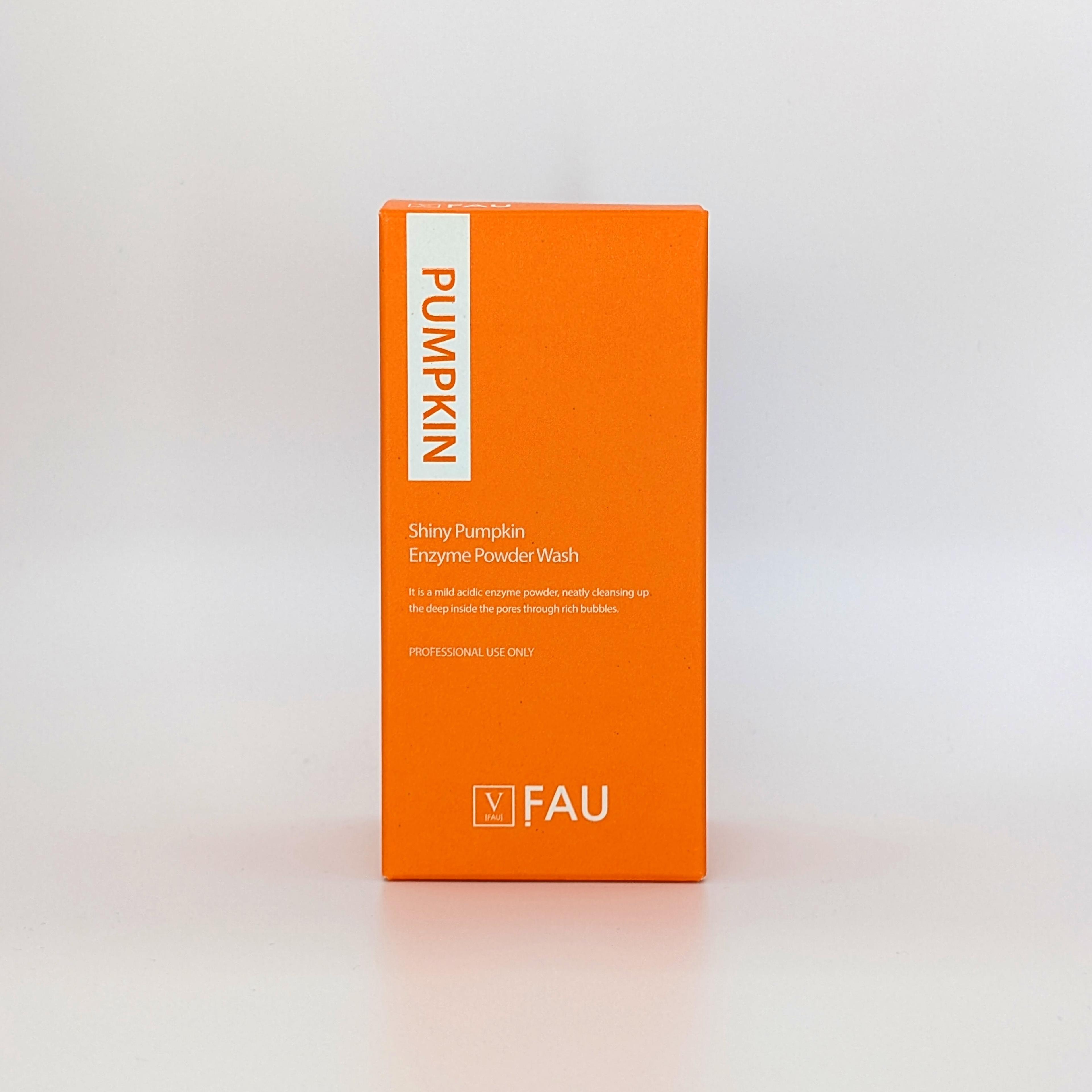
- FAU Shiny Pumpkin Enzyme Powder Wash — a low-pH papain enzyme powder wash with pumpkin, Cica and 8-HA. It provides gentle enzymatic exfoliation without physical scrubbing, helping manage surface keratin build-up while keeping cleansing comfortable. Frequency should be adjusted to the client’s barrier condition and the rest of their exfoliation programme.
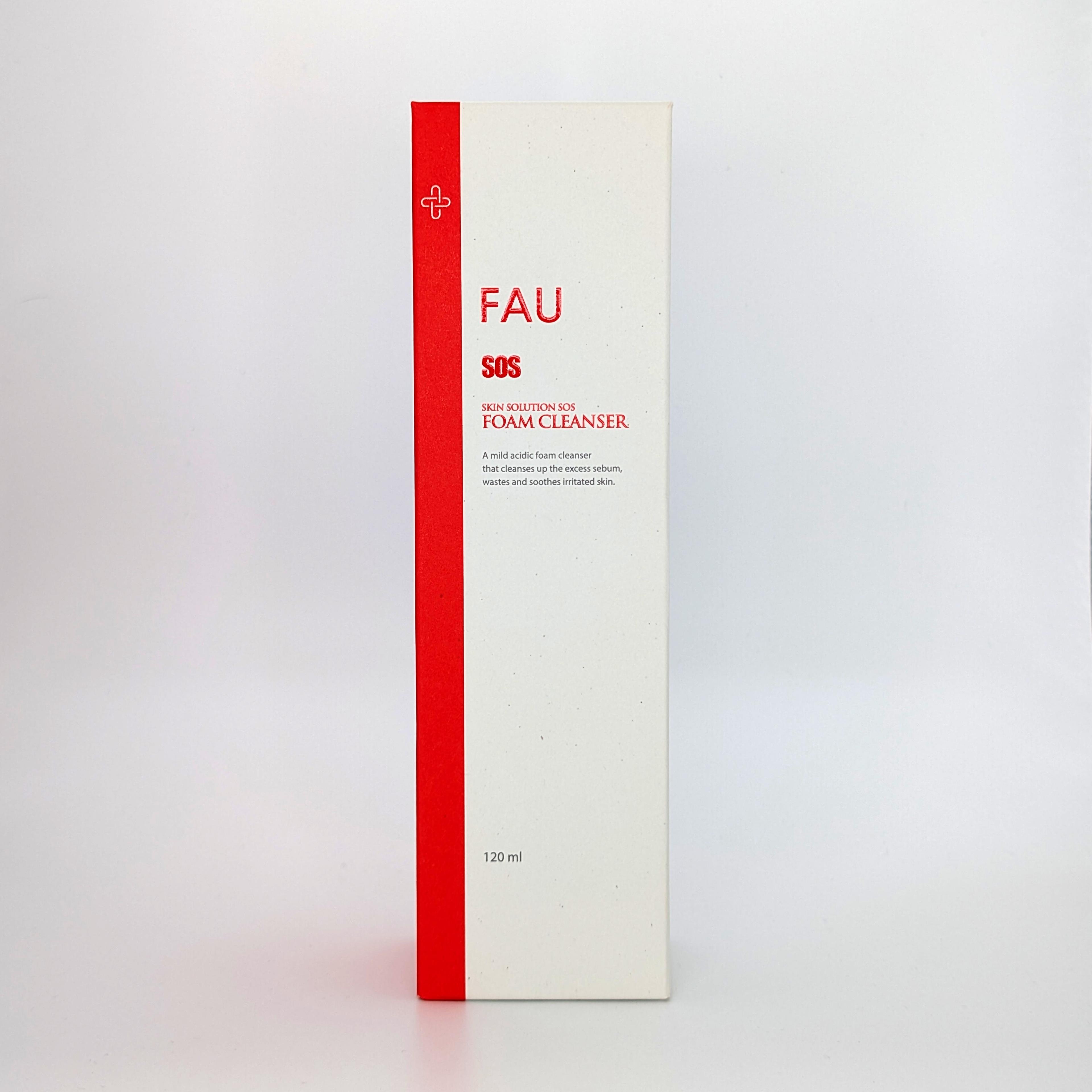
- FAU Skin Solution SOS Foam Cleanser — a coconut-derived cleansing base with a 6-Cica complex and salicylic acid, making it a useful option for blemish-prone, oily and blackhead-prone skin. It gives the client ongoing follicular support without turning cleansing into an aggressive degreasing step.
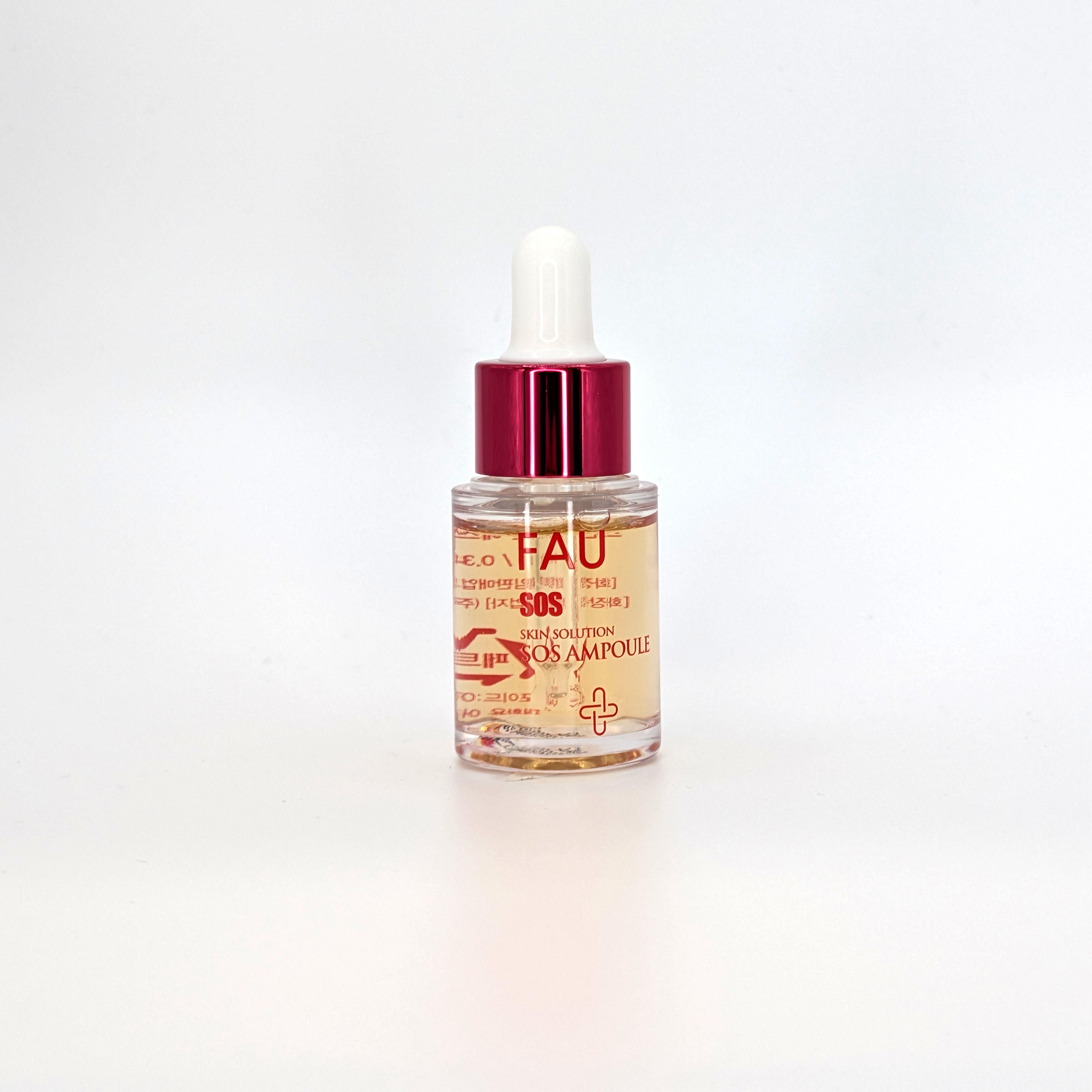
- FAU Skin Solution SOS Ampoule — 66.5% Centella with 10% propolis in a lightweight texture suited to blemish-prone skin. It fits well into a clearing routine when the aim is to calm visible irritation and support the skin between professional treatments rather than repeatedly attacking individual blemishes with harsh spot products.
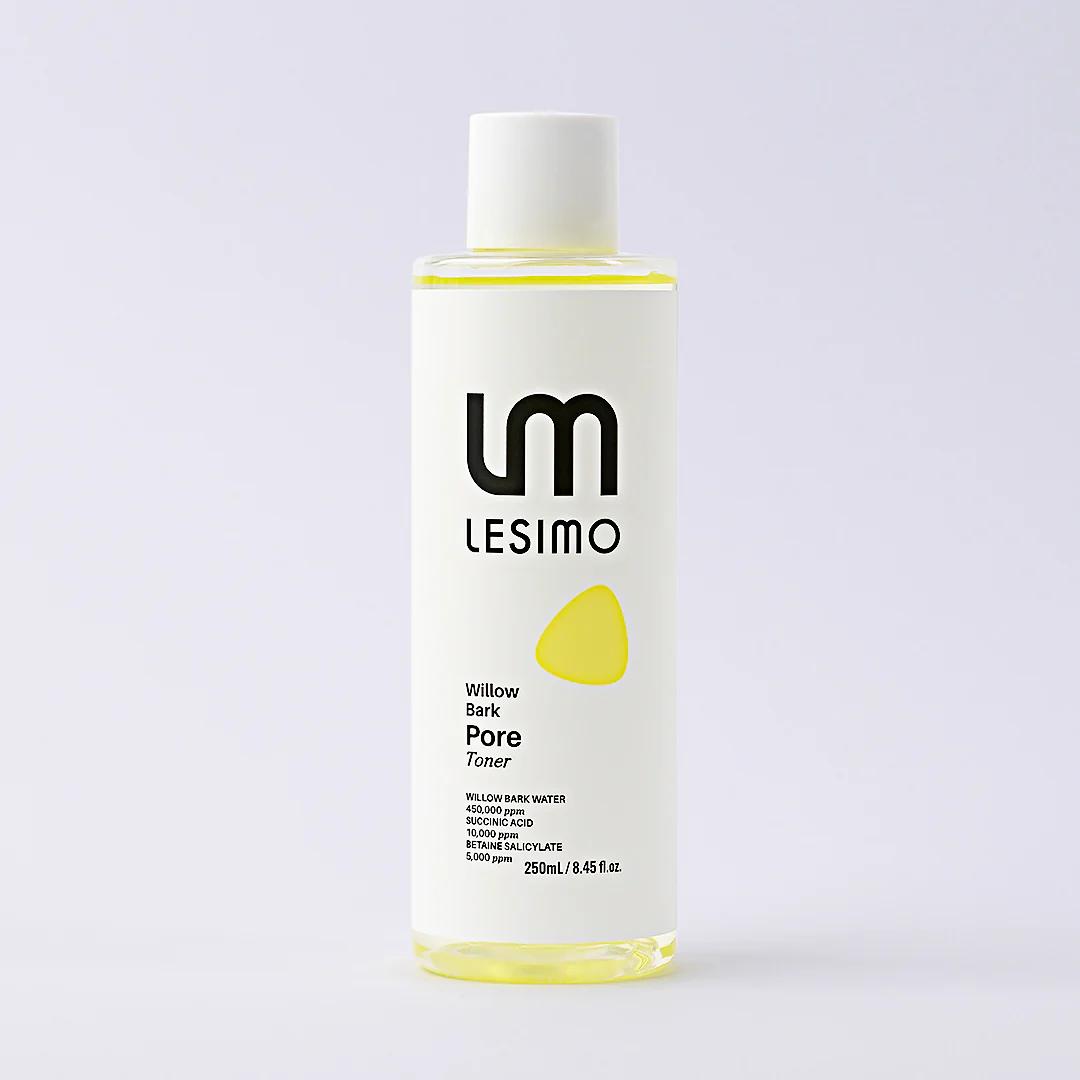
- Lesimo Willow Bark Pore Toner — willow bark water and extract with succinic acid, designed to support oil control, refine the appearance of congested pores and provide gentle ongoing exfoliation. It is particularly useful where the skin needs continued maintenance between appointments without introducing another strong peel step.
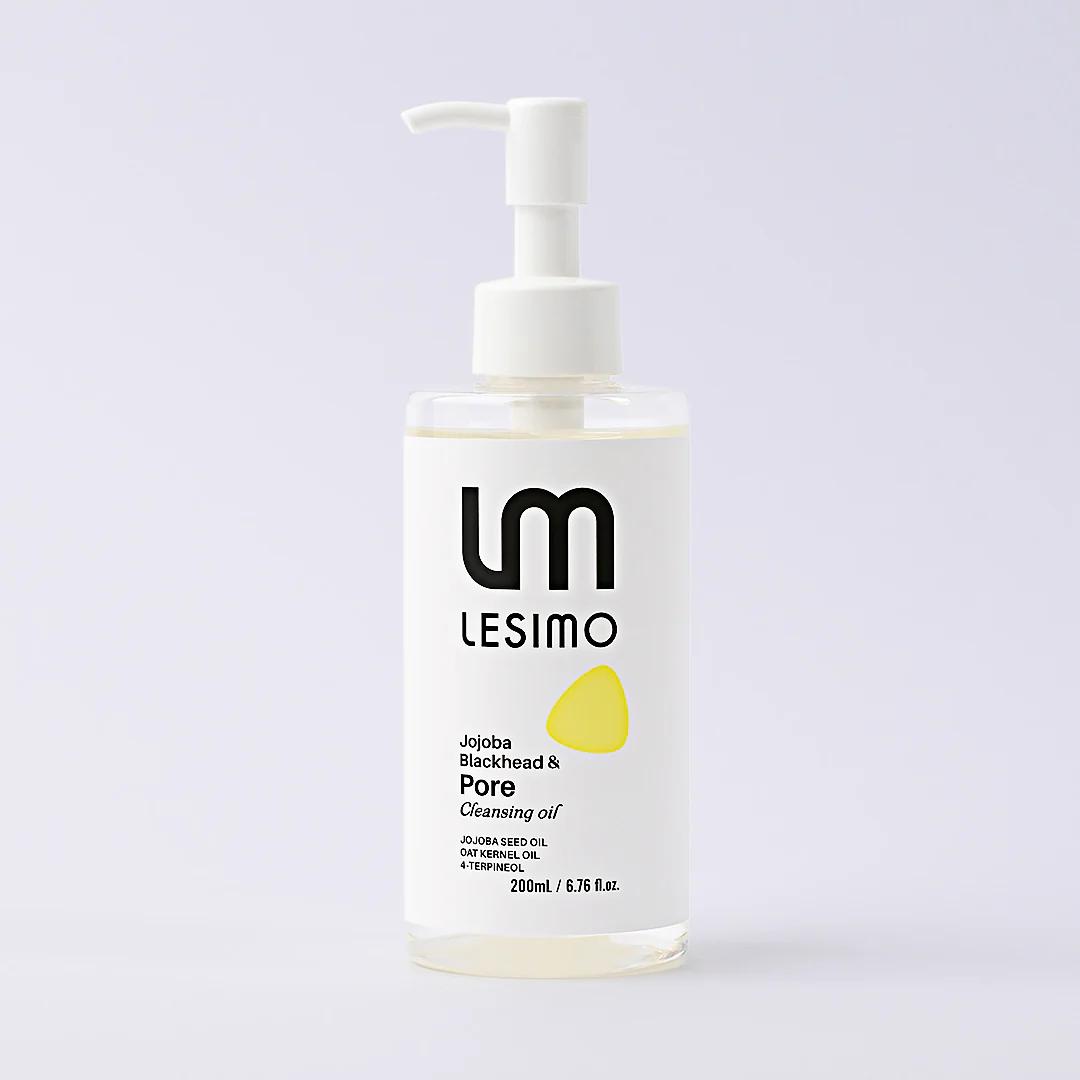
- Lesimo Jojoba Blackhead & Pore Cleansing Oil — a plant-oil first cleanse for makeup, sunscreen and blackhead-prone skin. It helps remove lipid-soluble surface debris without the tight, stripped feeling many oily-skinned clients mistakenly associate with “clean”.
Five products, five distinct roles: cleanse, decongest, maintain, calm and protect the treatment result.
They do not all need to be used at maximum frequency, and not every client needs every step from day one. The professional decision is in adjusting frequency and combination according to barrier condition, current actives and the intensity of in-clinic treatment.
What should remain constant is the principle:
Home care should support the clearing programme, not create a second exfoliation programme on top of it.
Know when it isn't yours to treat
There is an important difference between supporting acne-prone skin cosmetically and managing acne that requires medical treatment.
Deep painful nodules or cysts, progressive scarring, extensive inflammatory disease, sudden severe acne, recurrent acne that is not responding appropriately, or a presentation suggesting a hormonal, medication-related or other underlying driver warrants medical assessment.
Current clinical guidelines continue to position prescription topical combinations, systemic treatments and isotretinoin within medical management according to acne severity and patient circumstances.[8]
Clients already using prescription acne medication also require particular caution. Professional exfoliation should never simply be layered on top of prescription treatment without understanding what the client is using, how the skin is responding and whether the procedure is appropriate.
Broken, infected or severely inflamed skin is not the place to demonstrate how powerful a professional peel can be.
Referral is not a failure of the therapist.
It is part of professional scope.
The sequence is the strategy
Good clearing work is rarely dramatic.
Texture may begin to improve within several visits. Reduction in new lesions takes longer. Home care needs adjustment. Some clients tolerate exfoliation quickly; others need several appointments focused almost entirely on barrier recovery before more active treatment makes sense.
That variability is normal.
The professional skill is not in using the strongest product available.
It is in knowing what the skin needs now, what it can tolerate next, and when not to progress at all.
That is why we have chosen professional systems such as Corthe and Dermathod for staged treatment-room work, supported by selected FAU and Lesimo home-care options.
Not because one product “clears acne”.
Because a well-designed system allows the therapist to select, sequence and adjust.
The sequence is the strategy.
References
- Cong TX, Hao D, Wen X, Li XH, He G, Jiang X. From pathogenesis of acne vulgaris to anti-acne agents. Arch Dermatol Res. 2019 Jul;311(5):337-349. PMID: 30859308
- Lai Y, Fan M, Fan X, Liu Y, Chen J, Xiang LF, Ma Y. Lipase GehA functions as a positive-feedback amplifier of Cutibacterium acnes-sebum interactions in acne pathogenesis. J Invest Dermatol. 2026 Jul 29. Online ahead of print. PMID: 42526582
- Pappas A, Kendall AC, Brownbridge LC, Batchvarova N, Nicolaou A. Seasonal changes in epidermal ceramides are linked to impaired barrier function in acne patients. Exp Dermatol. 2018 Aug;27(8):833-836. PMID: 29356138
- Zhou L, Liu X, Li X, He X, Xiong X, Lai J. Epidermal Barrier Integrity is Associated with Both Skin Microbiome Diversity and Composition in Patients with Acne Vulgaris. Clin Cosmet Investig Dermatol. 2022;15:2065-2075. PMID: 36196252
- Liu H, Yu H, Xia J, Liu L, Liu G, Sang H, Peinemann F. Evidence-based topical treatments (azelaic acid, salicylic acid, nicotinamide, sulfur, zinc, and fruit acid) for acne: an abridged version of a Cochrane systematic review. J Evid Based Med. 2020 Nov;13(4):275-283. PMID: 33034949
- Mavranezouli I, Daly CH, Welton NJ, et al. A systematic review and network meta-analysis of topical pharmacological, oral pharmacological, physical and combined treatments for acne vulgaris. Br J Dermatol. 2022 Nov;187(5):639-649. PMID: 35789996
- Draelos ZD, Baalbaki N, Colon G, Dreno B. Ceramide-Containing Adjunctive Skin Care for Skin Barrier Restoration During Acne Vulgaris Treatment. J Drugs Dermatol. 2023 Jun 1;22(6):554-558. PMID: 37276158
- Nast A, Al Wattar BH, Beylot Barry M, et al. Update of the EuroGuiDerm evidence-based guideline for the treatment of acne — Short version. J Eur Acad Dermatol Venereol. 2026 Jul;40(7):1162-1172. PMID: 41847993
- Additional reading — Traini DO, Palmisano G, Stefani AD, Bocchino E, Guerriero C, Suppa M, Peris K. In Vivo Microscopic Features of Acne vulgaris Revealed via LC-OCT. Skin Res Technol. 2026 Jun;32(6):e70371. PMID: 42290222 — useful for the discussion of microcomedones, follicular hyperkeratinisation and the progression of acne lesions.
Copy the article link, then add it to your Instagram story or message. Nothing is posted automatically.
Shop this article
About the author
Areum Aesthetics Team
Korean-trained beauty therapy · Brisbane
Areum's articles are written by our Brisbane-based beauty therapist — a French Beauty Academy graduate with a beauty therapy diploma, and specialist training in Korean facial treatments at Mikwang Beauty Academy in Seoul.
More from the Areum Journal →